Iron deficiency and anaemia are very common in pregnancy which isn’t really that surprising when you think about everything that is going on in the mother’s body. You have around a litre and a half more of blood in circulation, which is around 50% more than normal with a single baby and more with multiples. This means more haemoglobin is needed to carry oxygen around which is mainly made from iron. So before you even begin to take into consideration the nutritional needs to grow a new life, there’s a big demand on iron just from the additional blood supply. Due to this the recommended daily amount of iron for a pregnant woman is 27mg of iron a day, compared to 18mg a day when not pregnant. This is a big leap.
Iron Deficiency Vs Anaemia
There’s also a big difference between iron deficiency and anaemia. Iron deficiency is when there isn’t enough iron in the diet to meet the needs and symptoms can be mistaken for general pregnancy symptoms – feeling tired/fatigued, a lack of concentration, changes to your hair and nails. Anaemia on the other hand, is when the red blood cells are impacted and are unable to carry around enough oxygen. The symptoms of this are normally more extreme including dizziness, headaches, shortness of breath, cold hands and feet and a rapid heartbeat. Also slightly annoyingly, some of these can also be symptoms of pregnancy caused by not enough protein, reduced lung capacity due to the size of the baby and the body working much harder. These symptoms can overlap, so if you are experiencing any of these, please let your midwife and/or GP know so they can arrange a blood test to check what your iron levels are doing. If you are low and/or anaemic additional iron supplementation normally sorts it out.
Why Your Prenatal Supplement Might Not Be Enough
And I can hear you say, I’m taking a prenatal that has the recommended dose of iron in, so I shouldn’t be deficient or anaemic, which is a very valid thought to have. However, it doesn’t take into consideration the bioavailability of the iron for you – is it in a form that your body can easily absorb and use? Are you drinking or eating foods that limit its absorption?
Polyphenols are compounds in plants that are really beneficial to health. They act as antioxidants and are anti-inflammatory and supportive of health, which we are encouraged to eat as they are so beneficial. They are found in a variety of foods including dark berries, tea and coffee (even decaffeinated) dark chocolate and more. However, they also inhibit the absorption of iron, so if you take your iron containing supplement with tea or coffee, a smoothie with berries, or a bowl of cereal with berries in etc you are limiting the amount the body can absorb and use.
Heme Vs Non Heme Iron: What’s The Difference?
If you don’t eat animal rich iron foods and rely on plants, it’s much harder for the body to utilise plant-based iron. A way to enable it to absorb more is to eat the plant iron source with vitamin c.
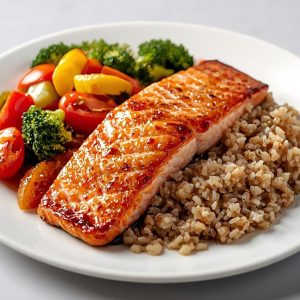
If you eat meat, fish, eggs etc or don’t but are willing to when pregnant because of the nutrient benefits, the iron found in ‘heme’ foods rather than ‘non-heme’ (plant-based iron) is 2-3 time more bioavailable. The the iron absorbed from here sources in supplements is also much more easily absorbed and used by the body than iron in supplements from non-heme sources. Absorption varies, but it seems to be that you absorb between 15-35% of the iron from heme sources and between 2-20% for non-heme. Here is a table of a mix of heme and non-heme iron rich foods that you can download if useful.
So if you started with a lower iron reserve before you were pregnant, it’s easy to see why you can become deficient or anaemic in pregnancy.
What To Do If You Are Worried?
What to do if you are worried? Ask for a blood test. Given how common iron deficiency and anaemia are, you shouldn’t get any pushback from your medical health care team if you are concerned.
Check what source the iron is from in your supplement. If it’s a non-heme source and you aren’t vegetarian or vegan, increase iron rich foods or if safe, add in an iron supplement. But always start with food.
If you are vegetarian, or vegan, and not at all open to eating any form of animal product, carefully plan your non-heme iron foods and make sure you pair with vitamin c and limit the polyphenol rich foods with them. It’s also likely you will need to take additional iron. BUT I say that without knowing you or your health history – get a blood test and talk to your medical team or book in with me or someone like me so you get the correct personalised information that’s right for you.
If you would like to discuss booking in with me for a series of sessions, my contact info is here
If you would like to know more about my Quick Food Blitz session the info is here